Integrated care. What is it?
Of course there is no single definition, but First Step is currently involved in five projects with integrated care in the title, and we have an opinion. In lay terms, it is all the help a person wants and needs from one team in one place. And if you can’t do that, then it’s all the help a person wants and needs from what feels like one team in as close as possible to one place.
Is this important for everyone? Yes it is. We all need the resulting convenience, communication between providers and enhanced, coordinated services that are the result. But the more elements (mental health, housing, substance use) that are included and the more entangled these are in a person’s life, then the more they need integrated care. And that entanglement, with multiple elements, is actually the norm.
At First Step we call ourselves a specialist centre for integrated care (medical, mental health and substance use) with an embedded community legal centre. We call these causal and perpetuating stressors n a person’s life ‘co-occurring needs.’ Co-occurring needs, especially substance use and chronic mental illness, can be directly linked to adverse childhood events. Regardless of the cause, it’s when a person can get all the help (one team, one place) that whole-of-life improvements are possible.
First Step is running an integrated care pilot for the state government, and is running a care coordination pilot for the South Eastern Melbourne Primary Health Network. We’ve also just provided (pro bono) integrated care advice to the City of Port Phillip to try to get the best results possible for long-term rough sleepers in the City. And we recently helped the Hamilton Centre adapt the Comprehensive Continuous Integrated System of Care from the US to a Victorian context. There is a lot of integrated talk going around.
But when you boil it down, it’s about values (welcome, empathy and hope), principles (trauma-informed, person centred, continuity of care), professions (medical, mental health, care coordination and housing (when needed) are close to essential) and ways of working. The team is to leave the egos at home, be curious about each others’ professions and their clients, be given the time to collaborate by management, and be damn good at their jobs.
That’s what we’re working on.
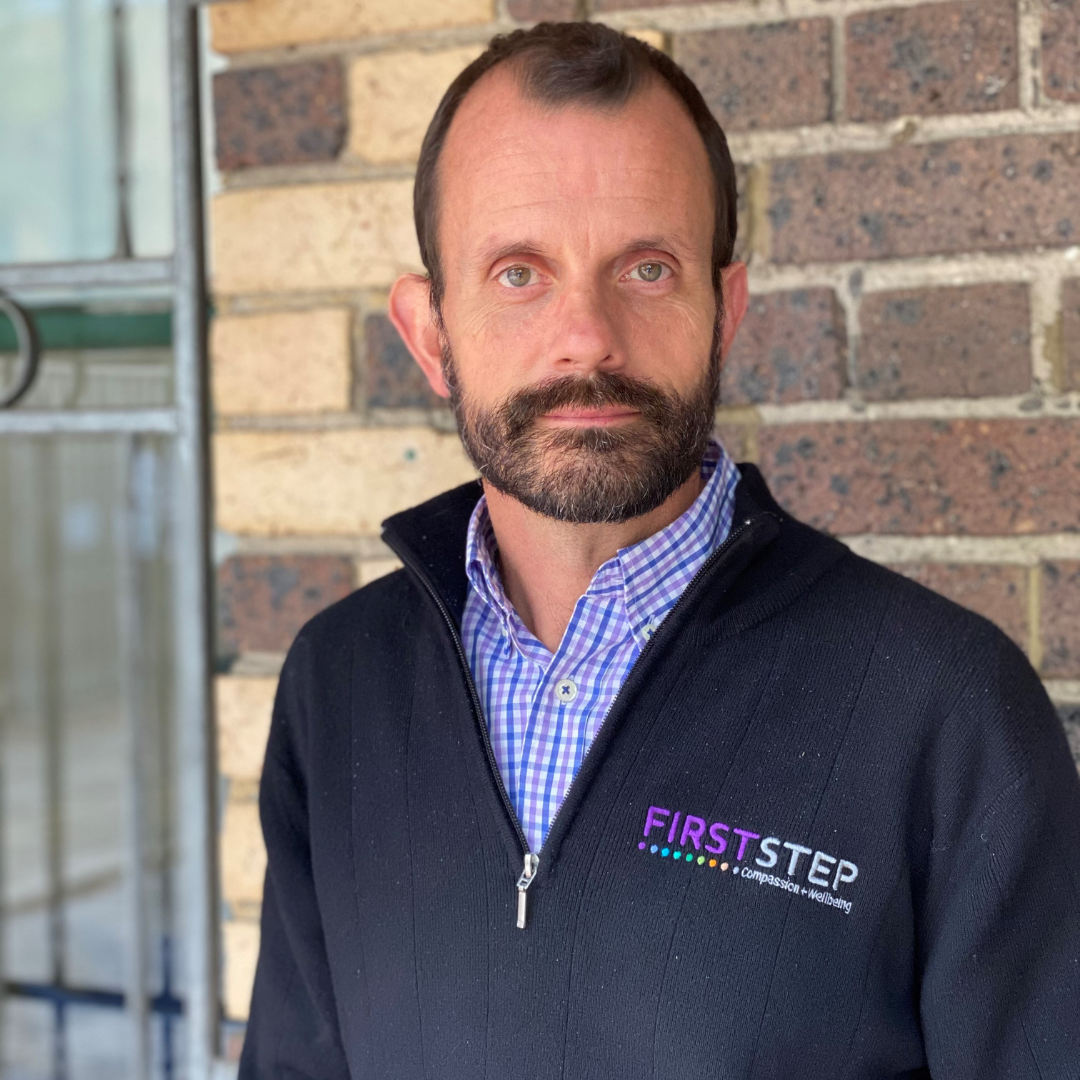
| Patrick Lawrence Chief Executive Officer |
 |
